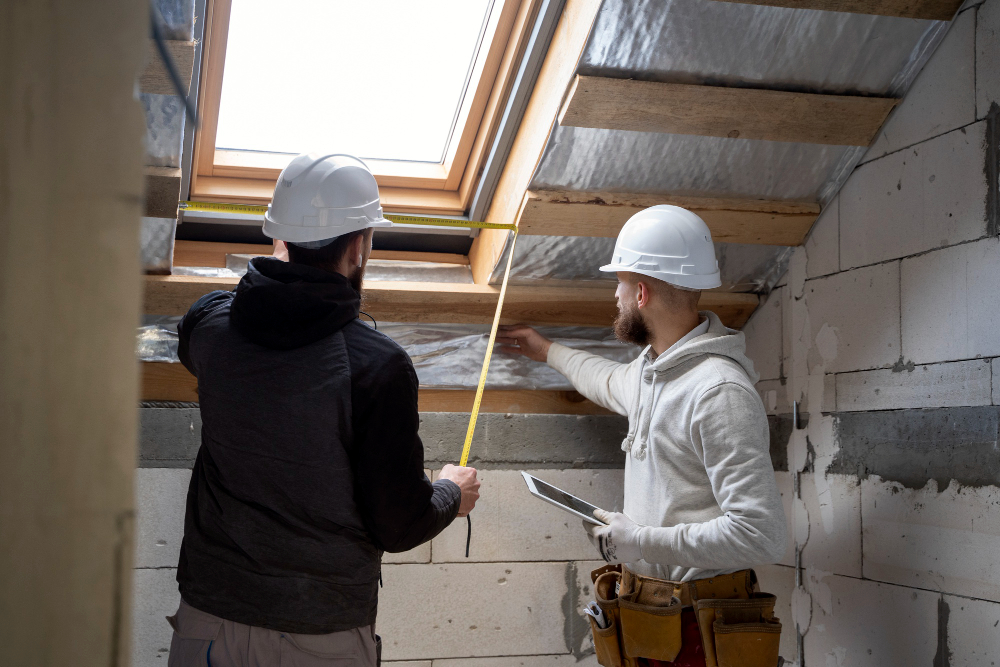
A skylight can change a room more than almost any other single upgrade. Light pours in differently, ceilings feel higher than they are, and on sunny days you might not flip a switch at all. But none of that happens automatically just because a skylight got put in – it happens because someone installed it correctly.
Get the installation wrong, and you’re looking at leaks and repair bills sooner than expected. So before anything else, the real question isn’t which skylight to buy; it’s who can provide reliable skylight installation for Long Island homeowners and help protect the roof from leaks and weather-related issues.
Why the Installer Matters When Choosing a Skylight
Cutting into a roof isn’t a small job, no matter what the sales brochure makes it look like. It means opening the roof deck, sealing around the frame, and tying flashing into whatever roofing material is already up there.
Even a high-quality skylight can develop leaks if the flashing and waterproofing are installed improperly, which is really the whole case for hiring a specialist over a general contractor for skylight installation on Long Island work.
Local installation experience can also be valuable. Long Island roofs face heavy rain, snow, strong winds, summer heat, and seasonal temperature changes, all of which can put stress on roof penetrations. A crew that works here regularly knows which materials and sealing methods hold up.
What to Look For Before You Hire Anyone
Licensing and Insurance
Start here, not at the end. Ask whether the skylight company on Long Island is properly licensed for the work it performs and carries adequate liability insurance. Request proof before signing a contract. If a company gets reluctant about it, that’s a red flag, not reassurance. Appropriate insurance coverage can help protect property owners from certain risks associated with work performed on their property.
Residential vs. Commercial Experience
Not every installer handles both residential and commercial work and that is perfectly fine so long as you understand exactly who you are hiring. When the job involves a storefront school or multi unit building you want a contractor who has already completed commercial skylight installations. Those projects often call for bigger units, different structural approaches and extra code or permitting steps. Ask the contractor about past work that matches your own especially if the property carries any specialized commercial demands.
Warranty Coverage
Warranty coverage may vary depending on the skylight product and installation service provider. Ask what’s covered: the unit, the labor, or both.
Do They Handle Repairs Too?
A company that only installs and disappears afterward tells you something. Look instead for one that also offers commercial skylight repair and residential repair work; it usually means they stand behind their installs long after the invoice is paid.
Reviews Are Fine. References Are Better.
Reviews give you a general sense of a company, but they can be easy to skim past. Ask for two or three actual references, ideally from projects similar to yours. If available, references from comparable projects can provide additional insight into the contractor’s workmanship, reliability, and communication.
Questions Worth Asking Before You Sign
- How long has this company worked in the area?
- Who’s actually doing the install – in-house crew or subcontractors?
- Which skylight brands do they use, and why those?
- How do they handle flashing and sealing on your specific roof type?
- What’s covered under warranty, and for how long?
- Can you get a written estimate broken down by materials and labor?
A company worth hiring won’t treat these questions as an inconvenience.
Warning Signs to Keep in Mind
Watch for contractors who refuse to put an estimate in writing, press you to sign the same day or turn vague when you ask how they handle flashing. Stay cautious if a company will not talk about maintenance or support once the work is finished.
What About Cost?
Pricing depends on the size of the unit, the pitch of the roof, the current roofing material and whether any framing has to be adjusted. Getting several quotes makes sense yet the lowest price is not always the safest choice because a smaller figure can come from cutting corners on flashing or underlayment that only show up after the first heavy rain. When you compare quotes for a skylight installation on Long Island ask every company to go through their numbers line by line.
What a Solid Installation Process Actually Looks Like
Generally you start with an in person roof assessment then receive a written proposal that lists materials and labor. After that comes careful cutting and measuring of the opening flashing that ties cleanly into the existing roof system and a final inspection to make sure the seal holds. Any process that leaves out the assessment or the final check deserves a second look.
Making the Call
After the quotes are in the licenses checked and a few references spoken to let the concrete details guide you rather than the pitch.
The better outfit is straightforward on timing, answers tough questions calmly and stays precise about warranty coverage. That kind of clarity tends to separate work that holds up from work that creates extra problems later on.
Still deciding, Double A Skylight offers skylight installation repair replacement and leak repair for homes and commercial buildings throughout Long Island.